I have just started teaching about uniform electric fields and somehow this time it went wrong. I blame teaching online, because firstly, I don’t get the same level of feedback, and secondly, somehow learning online does not make the concepts ‘real’ to the student. There is something that happens when learning physics, where students are able to visualise what will happen and predict and see the results of changes. I am finding it so much harder to work out if this is happening at the moment.
I had no idea they didn’t understand (yet) so I tried a ranking exercise from my favourite book1. And it both went horribly in that they weren’t solving problems in the way I expected and really well, in that I discovered there was an issue and knew I had to do something about it.
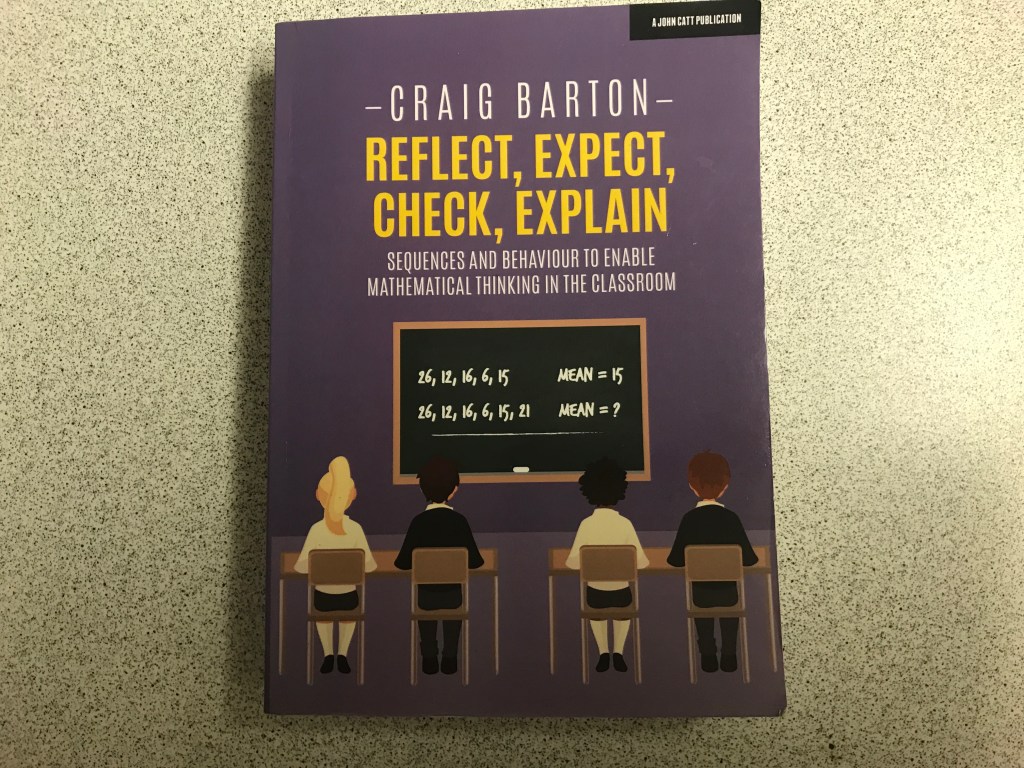
I decided to try something from this book 2.
I have been developing resources where students think about how the physics works by looking at questions that are very similar but allow them to develop a feel for how small changes in a system affect the physics. Usually I use the technique with younger students who can get so bogged down in an equation that they lose sight of the physics behind it. The final worksheet looked a little like this but with about 6 more question sets. The questions took them between 15 minutes and 45 minutes, and allowed to correct a number of smaller issues with individual students (using radial field equations/dodgy rearrangement)

So one important question, did it work in the view of the students? The answer is mostly yes. The students in my class vary in ability and some definitely found it more helpful than others. Some had sorted out their issues immediately after finding they couldn’t do the ranking problems. However, I got more patience than I expected from these students because I was open about what I was trying to do (and also there weren’t too many examples). The rest enjoyed it – so sample feedback:
Yes this is really useful, I think the repetition is good to help me understand the concept a bit better and also finding the patterns is useful especially when it comes to questions in exams where they might ask how each component affects the other because I often get confused on those but now I think I’ll get them more
i think these type of q’s are really good for spotting patterns and maybe getting the equations in ur head but dont help w consolidation / seeing if u rly understand, bcos they don’t stretch thinking or anything
Did it work from my view? Well, they are solving basic problems more accurately, but I won’t really know until I launch another ranking problem.
Will I try it again? Yes, but not too often and definitely earlier in the learning cycle. Spotting and being able to explain patterns is important and I think using these sorts of tasks can highlight the expectation that they should be thinking like this all the time. However they need some stretching questions too.
1O’Kuma, Maloney and Hieggelke, 1999, Ranking task exercises in physics.
2Barton, 2020, Reflect, expect, check, explain
 The reflective physics teacher