Polarisation is one of my favourite topics in waves, even though it feels a like it is tagged on to the specification, and is frequently reduced to a multiple choice question about which types of waves can be polarised. However the demonstrations always impress students and there is so much to explain and think about. And I always finish with an excellent ranking problem.
Before starting to teach the topic it is worth watching this video (and yes, I did used to teach it wrong, because textbooks skim over it a little and I hadn’t thought about it carefully enough).
So, my list of demos:
- Polarising filters in front of different light sources: filament lights, computer and phone displays, florescent tubes.
- At least three polarising filters to consider the effect of changing the angle. Two is just not enough.
- Plastic between two polarising filters. This is the classic experiment and the colour changes require the development of a logical explanation.
- Online polarising microscopes such as http://students.open.ac.uk/science/s209/vm/frame.html allow student to look at minerals under plane polarised and cross polarised light.
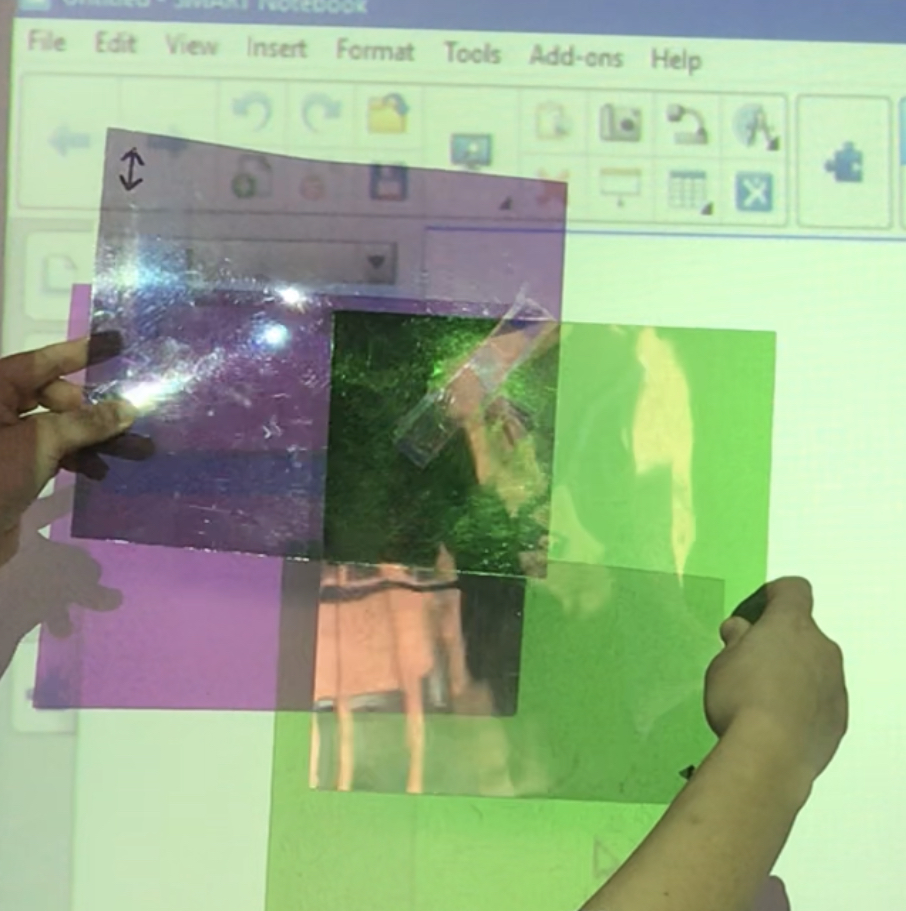
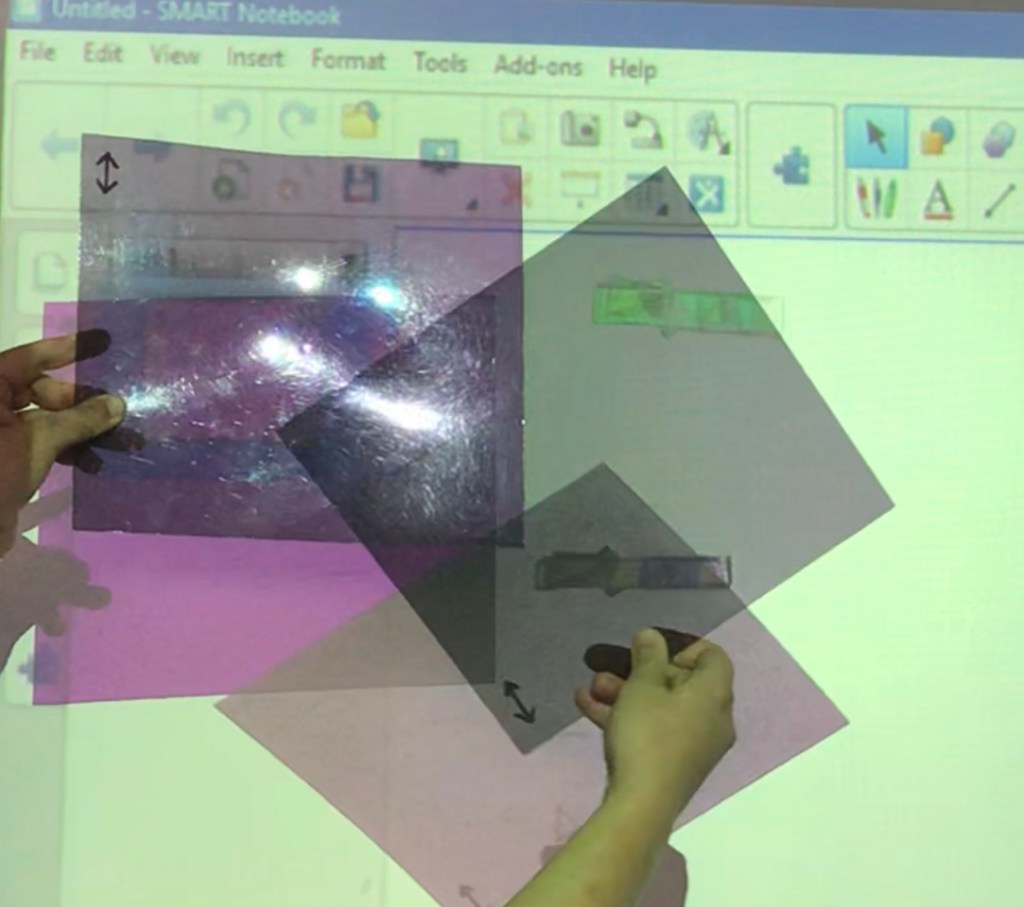
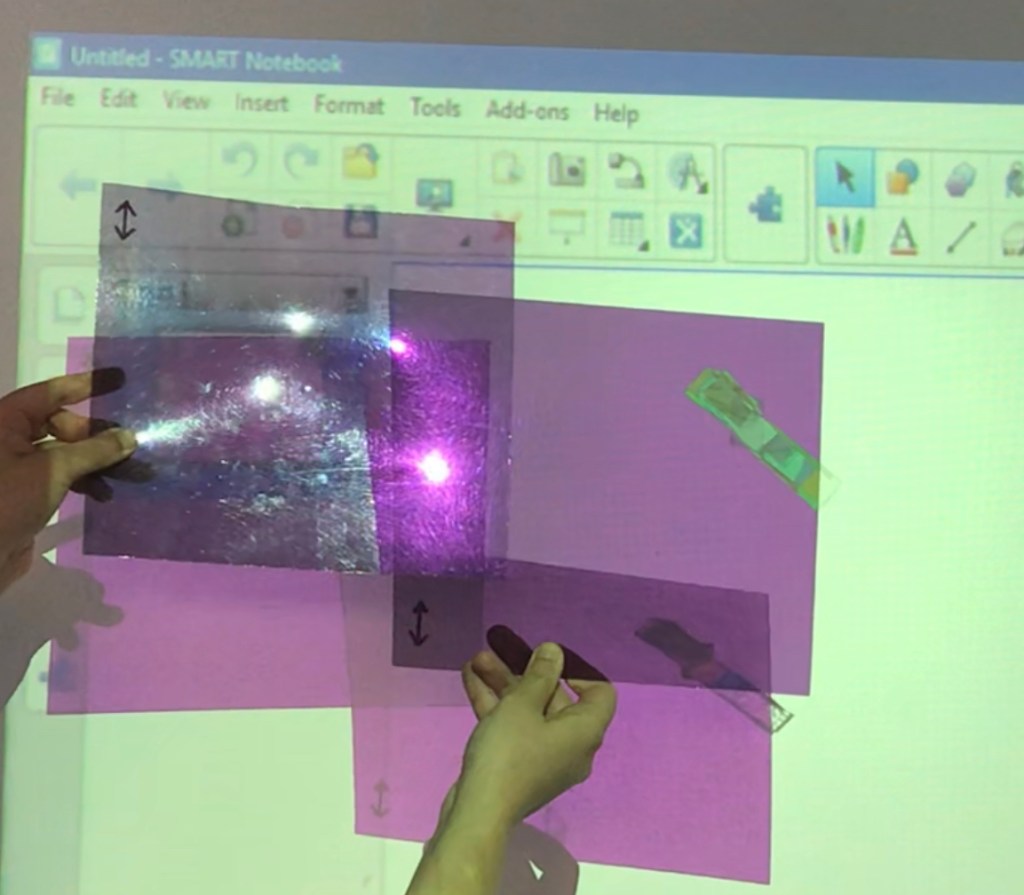
- The reason I will never get a new interactive whiteboard – mine polarises magenta and green in different directions. I have no idea why this is the case and no other board in my school does this, but it leads to all sorts of cool effects.
- The standard microwave practical for intensity with angle.
I finish up with a ranking problem that helps students’ see the level of their understanding. Here is a pretty straightforward example – every time I teach this I add a couple more possibilities.
Here is the link to the word document if you fancy using it.

